
Can Rain Affect Windshield Repair
March 25, 2026
A cracked or chipped windshield can seem minor at first, but even small damage can compromise safety over time. Many drivers worry about rain complicating repairs. Will moisture ruin the process? Can a windshield still be fixed if it’s wet outside? Understanding the science behind windshield repair and how weather interacts with it makes all the difference.
In this article, we’ll explore everything you need to know about repairing a windshield during rainy conditions and why Next Shield Auto Glass Repair handles these situations with precision.
Understanding Windshield Damage
Windshields are more than just glass—they are a structural component of your car. They support the roof, maintain cabin integrity during collisions, and protect passengers from flying debris.
Even a tiny chip or crack can weaken the windshield’s strength, making it more susceptible to further damage. Understanding how and why windshields crack is essential if you want to protect your car and avoid costly replacements.
Common Causes of Windshield Cracks
Windshield damage can occur for multiple reasons:
- Flying Debris: Small rocks, gravel, or road debris can hit the glass at high speeds, leaving chips.
- Temperature Fluctuations: Sudden changes between hot and cold can stress the glass and lead to cracks.
- Accidents or Collisions: Minor fender benders can cause cracks, even if the impact seems insignificant.
- Poor Installation: Improperly installed windshields are prone to stress fractures over time.
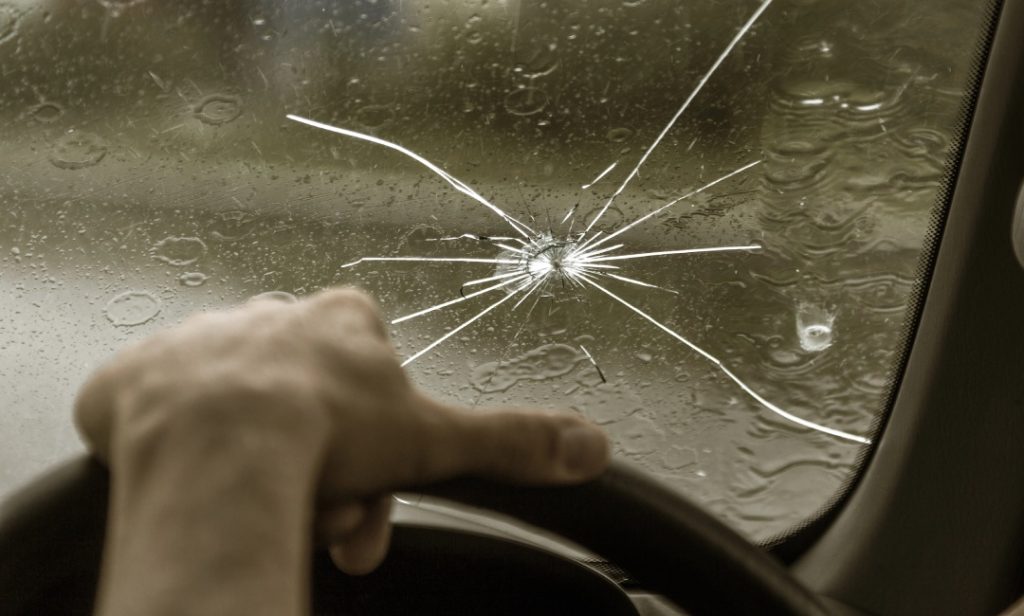
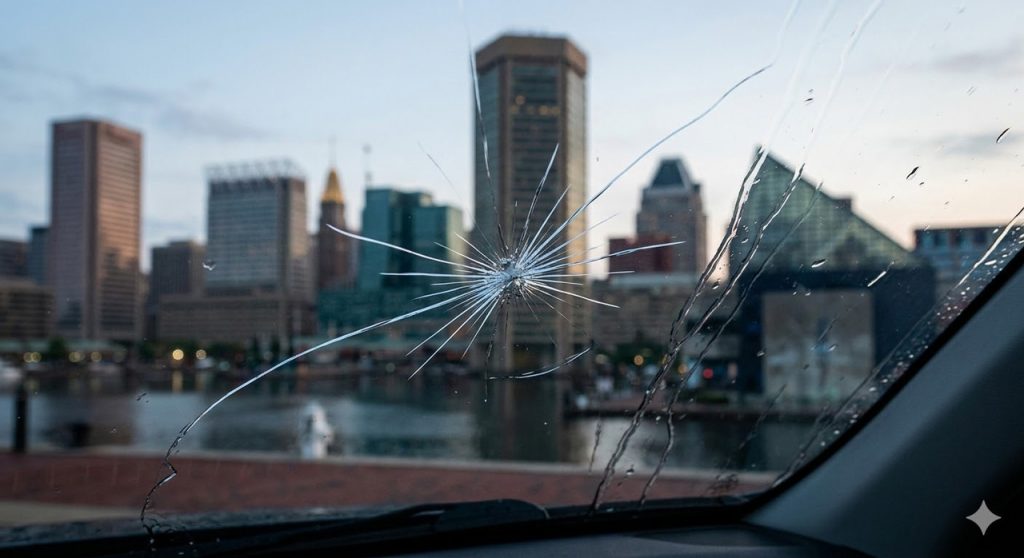
Even if a crack looks minor, ignoring it can lead to bigger problems, especially during rainy weather. Water can sneak into these small crevices, accelerating damage.
How Cracks Spread Over Time
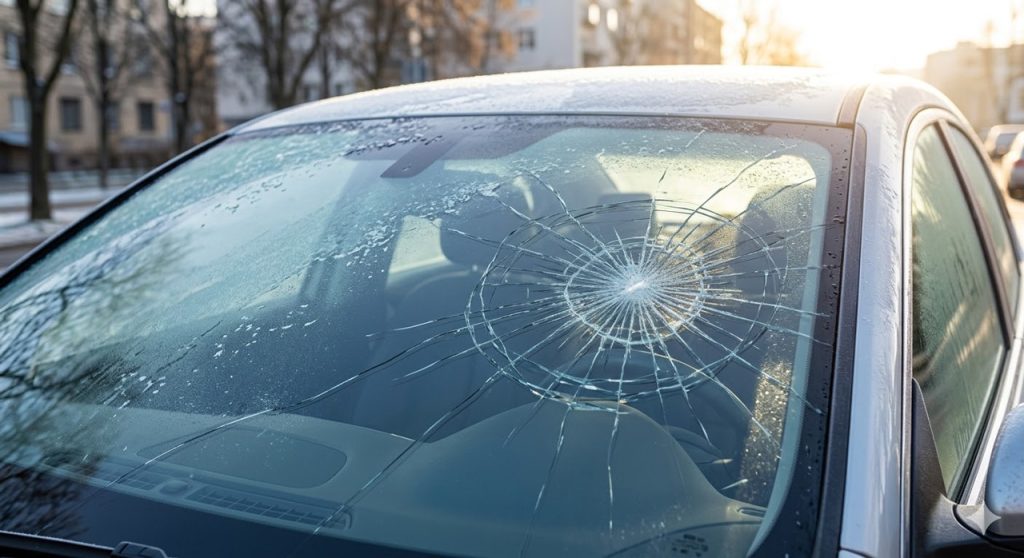
Cracks don’t stay small—they expand. Factors like road vibrations, temperature changes, and moisture can cause a chip to stretch across the windshield.
Rain, especially, can worsen these fissures. Water enters the crack, gets trapped, and with repeated temperature changes, it expands, making the crack longer and more dangerous. Catching damage early can prevent a minor repair from turning into a full replacement.
The Science Behind Windshield Repair
Windshield repair is a careful blend of precision and science. Modern repairs rely on resin, a specialized chemical that fills cracks and bonds with the glass. The goal is to restore structural integrity and prevent further spread while improving visibility. Think of it like patching a tiny leak in a dam before water pressure causes a catastrophic break.
How Repair Resin Works
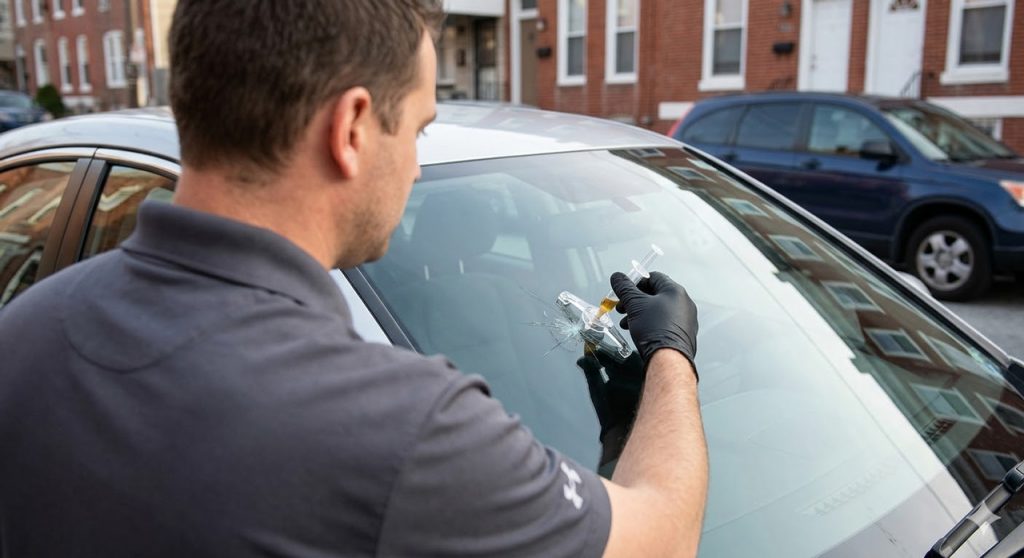
Repair resin penetrates even microscopic cracks. Once applied, technicians use pressure to force it into every crevice, then cure it using UV light. The hardened resin restores strength to the windshield, creating a near-invisible repair.
The key is a dry, clean surface—any moisture or dirt can interfere with the resin’s ability to bond, which is why rainy conditions can complicate things.
Steps in a Typical Repair Process
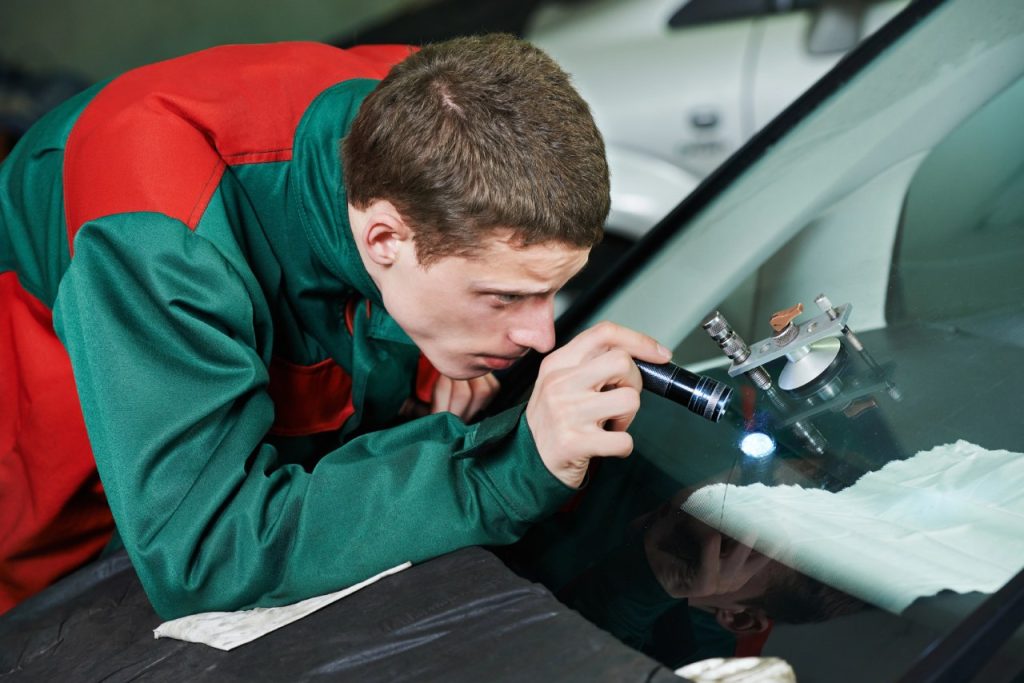
A professional windshield repair typically follows these steps:
- Cleaning: Remove any dirt, debris, or loose glass fragments.
- Resin Injection: A specialized injector pushes resin into the crack.
- Air Bubble Removal: Air pockets weaken the repair, so technicians use pressure to eliminate them.
- UV Curing: A UV lamp hardens the resin, bonding it to the glass layers.
- Finishing: Excess resin is scraped away, and the area is polished for clarity.
Technicians at Next Shield Auto Glass Repair follow this process meticulously, ensuring repairs last even if it rained recently.
How Weather Impacts Repairs
Weather conditions, especially rain, can significantly affect repair outcomes. Even a little moisture can prevent the resin from bonding fully. Temperature extremes can make cracks brittle or prevent resin from curing properly. Understanding these factors helps explain why professional repair is so important.
Rain and Its Effect on Adhesion
Rain creates one of the biggest challenges for windshield repair. Water on or inside the crack prevents the resin from sticking to the glass layers. Tiny droplets trapped during application can leave weak spots, leading to failed repairs.
Skilled technicians ensure the windshield is completely dry before applying resin, even if that means waiting for optimal conditions or using specialized drying equipment.
Temperature and Humidity Considerations
Resin cures best in moderate temperatures. High humidity slows curing, while extremely cold surfaces can cause the resin to contract or develop cracks. This is why professional shops often adjust their techniques depending on current weather, using tents, controlled environments, or mobile equipment to maintain ideal conditions.
Cold Rain vs. Warm Rain
- Cold Rain: Chills the glass, making cracks brittle and harder to fill effectively. The resin might not flow properly into the fissures.
- Warm Rain: Increases humidity, which can slow curing and cause minor imperfections if the repair is rushed.
Technicians factor in these differences to ensure every repair succeeds, regardless of the season.
Preparing Your Vehicle for Repair During Rain
Even if it’s raining, you can take steps to improve repair success. Preparation ensures the windshield is ready for a strong bond and reduces the risk of failed repairs.
Cleaning and Drying the Windshield
A clean windshield is critical. Remove dirt, water spots, and any residue that could interfere with the resin. Use microfiber cloths, air blowers, or a shelter to keep the glass dry. Surface moisture prevents resin from adhering properly, which is why technicians spend extra time on this step during rainy days.
Avoiding DIY Mistakes
DIY kits might seem convenient, but they lack the control that professionals provide, especially in adverse weather. Moisture, temperature fluctuations, and improper resin application can all compromise a repair. Attempting to fix yourself during rain can worsen damage, requiring a more expensive replacement later.
Next Shield Auto Glass Repair: Expertise in Any Weather
Next Shield Auto Glass Repair specializes in handling repairs under various weather conditions. With trained technicians and weather-proof techniques, they deliver reliable, long-lasting results, even in rain-heavy areas.
Our Weather-Proof Repair Techniques
Using specialized equipment, protective tents, and UV curing, Next Shield Auto Glass Repair ensures repairs proceed smoothly despite rain. Resin application and curing times are adjusted for environmental conditions, guaranteeing optimal bonding and long-term durability.
Scheduling Repairs in Unpredictable Weather
Rainy weather shouldn’t delay essential repairs. Next Shield Auto Glass Repair offers flexible scheduling and mobile services to work around weather challenges. Technicians can arrive on-site with everything needed to perform repairs correctly, protecting your windshield even when the skies open up.
Long-Term Maintenance After Rainy Repairs
Even after a successful repair, monitoring the windshield is crucial. Rain can reveal subtle imperfections or cause minor shifts in resin alignment. Staying vigilant helps you catch issues early before they become serious.
Inspection Tips After Rain Exposure
Check for water streaks, trapped air bubbles, or areas that feel rough to the touch. Minor issues after rain don’t always require a replacement, but early detection prevents further damage. Scheduling routine inspections keeps your windshield in top condition.
How to Prevent Future Damage
Preventive care reduces the risk of new cracks:
- Avoid parking in direct sunlight followed by sudden cooling.
- Use covered or shaded areas when possible.
- Drive cautiously on gravel roads and avoid following trucks too closely.
- Regularly inspect your windshield for small chips or cracks.
These small steps preserve both the repair and your windshield’s long-term integrity.
Myths About Rain and Windshield Repairs
Rain sparks many myths about repairs. Common misconceptions can make drivers unnecessarily delay fixes or attempt risky DIY methods.
“Repair Won’t Work if It Rains”
This is not entirely true. Rain can complicate repairs if moisture is present in the crack, but professional preparation ensures successful results. Timing, technique, and a dry surface are what matter most.
Other Common Misconceptions
- All cracks need replacement: Many chips can be repaired if addressed promptly.
- DIY fixes match professional results: Home kits lack temperature control, UV curing, and precision.
- Rain will automatically worsen damage: While moisture accelerates some cracks, timely professional repairs minimize risk.
Understanding these myths prevents unnecessary stress and expenses.
Signs You Need Immediate Attention
Not all cracks wait for sunny days. Certain warning signs mean you should contact a professional immediately.
When Cracks Worsen After Rain
If cracks expand, water infiltrates, or visibility is impaired, you need urgent repair. Rain can exacerbate weak spots, turning minor damage into a major hazard.
Safety Concerns on the Road
Even small cracks compromise safety, especially on wet roads. Rain reduces visibility and increases accident risk. A compromised windshield can fail under pressure, making timely repairs critical.
Cost Implications of Repairing in Rain
Attempting repairs in adverse weather can be more expensive if mistakes occur. Professional shops like Next Shield Auto Glass Repair reduce risk, saving money in the long term.
Avoiding Extra Expenses
Mobile services or scheduling around weather help prevent costly redo work. Proper preparation ensures repairs last, even after rain exposure.
Insurance Considerations
Many insurance policies cover windshield repairs. Document damage promptly, report weather conditions, and follow proper procedures to avoid claim issues. Timely repairs often result in minimal out-of-pocket expenses.
Next Shield Auto Glass Repair Serving the Arbour Manor Community and Beyond in Baltimore
Next Shield Auto Glass Repair is dedicated to serving the diverse needs of the local community of Baltimore, including individuals residing in neighborhoods like Arbour Manor. With its convenient location near landmarks such as the Catonsville High School Turf Field and major intersections like Valley Rd. & Hilltop Rd. (coordinates:39.25996534400542, -76.72302310565544), we offer windshield repair Baltimore services.
Get Windshield Repair Baltimore at Arbour Manor Now
Navigate from Arbour Manor to Next Shield Auto Glass Repair Now
Ensuring Long-Lasting Windshield Safety
Rain doesn’t have to ruin windshield repairs. With proper preparation, professional techniques, and expert handling, your windshield can be restored safely and effectively.
Trusting experienced technicians like Next Shield Auto Glass Repair ensures your car remains safe, your windshield stays strong, and your repair lasts long, no matter what the weather throws at you.
FAQs
1. Can a windshield repair fail because of rain?
Yes, if water enters the crack during repair. Professionals ensure the glass is dry to avoid this risk.
2. How long should I wait after it rains to repair a windshield?
Wait until the glass is completely dry—usually a few hours to a full day, depending on humidity.
3. Can I repair a windshield myself during rainy weather?
DIY kits are risky in wet conditions. Professional repair is safer and more reliable.
4. Does insurance cover rain-related windshield damage?
Often yes, but coverage depends on your policy. Prompt documentation helps with claims.
5. How does Next Shield Auto Glass Repair handle repairs during rain?
We use weather-proof techniques, controlled UV curing, and mobile services to ensure durable repairs regardless of weather conditions.

RESTORE YOUR
WINDSHIELD TODAY!
OR CALL US
(443) 296-0064
Can Mobile Repair Fix Long Windshield Crack
A long crack across your windshield can be a real headache. It’s more than just an eyesore—it’s a safety hazard. You might wonder if a mobile repair service can handle it or if a full replacement is inevitable. The truth is, it depends on several factors like the crack’s length, location, and your windshield’s overall…Do Mobile Glass Repair Shops Use OEM Glass
When your windshield chips or cracks, the first thought is usually, “Do I need to go to a shop, or can a mobile repair service handle this?” Another critical concern is whether mobile glass repair shops use OEM (Original Equipment Manufacturer) glass. The quality of the glass can affect not just the look of your…What Glass Is Used In Passenger Windows
Passenger windows might look simple, but there’s serious engineering behind them. Not just any glass goes into a car’s side windows. Regular glass would shatter dangerously in even minor accidents. That’s why auto manufacturers use specialized safety glass designed to protect passengers, provide visibility, and endure everyday wear and tear. Have you ever noticed that…

Restore Your
Windshield Today!
For dependable and expert auto glass repair services in Baltimore, look no further than the trusted professionals at Next Shield Auto Glass Repair. Reach out to us today to schedule an appointment or request a complimentary quote. Discover our unwavering commitment to unmatched quality, exceptional customer service, and our fervor for providing top-notch auto glass repair solutions. Rest assured, we are here to restore the safety, functionality, and aesthetics of your vehicle, ensuring your utmost satisfaction.