
How to Clean Auto Glass Without Streaks
April 24, 2025
Auto glass cleaning might seem like a simple task, but many car owners struggle with streaks, smudges, and unwanted residue. If you’re tired of spending time cleaning your car’s windows, only to see streaks in the sunlight or rain, you’re not alone. Fortunately, with the right tools, techniques, and a bit of know-how, you can achieve spotless, streak-free auto glass. In this guide, we’ll show you how to clean your auto glass like a pro and get your windows shining clearly once more.
Why Clean Auto Glass is Important
When you think about maintaining your car, you probably focus on engine performance, tire pressure, or oil changes—but cleaning your auto glass is just as important. Streak-free windows not only enhance the aesthetic appeal of your car, but they also improve visibility, which is essential for your safety. Dirty or streaky windows can create glare, obscure your view, and even reduce the effectiveness of your windshield wipers.
Investing a bit of time into proper auto glass cleaning can make your driving experience safer and more enjoyable. Plus, it keeps your car looking fresh, increasing its overall value. Clean, clear windows provide better clarity when driving, especially at night, in rainy conditions, or during foggy weather. So, let’s dive into how you can keep your auto glass spotless with the right technique.
Tools and Materials You’ll Need
Before you start cleaning, make sure you have the right supplies. Using improper materials can actually cause more harm than good. To clean your auto glass properly, you’ll need:
Auto Glass Cleaner
Opt for a cleaner that is specifically designed for glass, as it’s formulated to tackle grime without leaving residue. Avoid general-purpose household cleaners, which can leave streaks. Many auto glass cleaners are also designed to work well on tinted windows, so make sure to choose one that’s safe for your specific car windows.
The best auto glass cleaners break down grease and road grime, which is essential for getting your windows looking their best. Look for cleaners with no ammonia, as ammonia-based products can damage window tint and leave unpleasant smells.
Microfiber Cloth
A microfiber cloth is your best friend when it comes to glass cleaning. Its fine fibers trap dirt and dust without leaving behind lint or streaks. This material is gentle enough not to scratch the surface of the glass while still being tough on dirt and grime. When cleaning, make sure the microfiber cloth is dry and clean to avoid transferring dirt back onto the glass.
Microfiber cloths are also highly absorbent, so they’ll pick up excess moisture without smearing. It’s important to have several clean cloths on hand, so you can switch them out as needed. This is especially crucial if you have a lot of buildup on your windows or if your cloth gets too wet during the cleaning process.
Squeegee
A squeegee is great for achieving a streak-free finish, especially on larger surfaces like the windshield. Choose one with a rubber blade for the best results. Using a squeegee helps remove excess cleaner, water, and grime from the glass, ensuring that you don’t leave streaks or smudges behind.
The squeegee is a highly effective tool because it leaves the glass perfectly smooth and dry. It’s ideal for removing excess cleaning solution from the surface after wiping it down. Be sure to wipe the squeegee blade with a clean cloth between strokes to avoid smearing dirt back onto the glass.
Cleaning Solution Alternatives
If you prefer eco-friendly cleaning solutions, you can mix your own at home. Combine equal parts of water and vinegar for a natural cleaner that works just as effectively as store-bought alternatives. Alternatively, you can use a solution of water and dish soap to clean your windows, though this may require more frequent wiping to ensure a streak-free shine. If you’re sensitive to chemicals or just prefer a more natural approach, these DIY alternatives can be great options.
DIY cleaners are a great choice if you’re looking for a more budget-friendly solution. Just be cautious when using these alternatives, as vinegar and soap can sometimes leave a residue that requires extra wiping. Make sure to test the cleaner on a small, inconspicuous area first, especially if you have tinted windows.
Step-by-Step Guide to Cleaning Auto Glass Without Streaks
Follow this simple, effective process to clean your auto glass without streaks. Each step will ensure a streak-free finish that’s both safe for your vehicle and your visibility.
Step 1: Prepare the Area
Before you begin, remove any large debris, dirt, or dust from the glass surface. This will prevent you from rubbing debris into the glass during cleaning. Also, ensure the windows are not too hot—cleaning in the direct sunlight can cause the cleaner to dry too quickly, leaving streaks. If your vehicle has a lot of buildup on the windows, consider using a blower or a vacuum to remove larger dirt particles first.
Once the surface is clear of any debris, it’s a good idea to clean the rest of the car’s exterior, such as the hood and sides, to ensure no dirt falls onto your clean windows. If the glass is particularly dirty, you may want to rinse it with water first.
Step 2: Apply the Cleaner
Spray your auto glass cleaner onto the surface of the glass, but be sure not to oversaturate it. Applying too much cleaner can lead to a mess, and it may take longer to remove the excess. If you’re using a homemade solution, spray it on lightly and evenly across the glass. Focus on one small section of the glass at a time, rather than spraying the entire window. This will give you more control over the cleaning process.
It’s important to choose a high-quality auto glass cleaner that doesn’t leave any residue behind. A cleaner that dries too quickly or leaves a film can make it harder to achieve a streak-free finish.
Step 3: Wipe with Microfiber Cloth
Take your microfiber cloth and gently wipe the glass in circular motions. Start from the top and work your way down. This way, any cleaner or dirt will naturally drip downward, preventing you from re-wiping areas you’ve already cleaned. The microfiber will pick up dirt and grease without leaving behind fibers or streaks. If you encounter stubborn spots, focus on them gently, but avoid scrubbing too hard to prevent scratching the glass.
As you wipe, ensure that the cloth remains dry. If it gets too wet, it could smear the dirt and cleaner, potentially causing streaks. If the cloth becomes too saturated, switch to a new dry microfiber cloth.
Step 4: Use the Squeegee
Once the glass is clean and dry, grab your squeegee. Starting at the top of the window, pull the squeegee down in a single, smooth motion. Always wipe the blade after each pass to prevent streaks. Using the squeegee will help remove excess water or cleaner from the glass, leaving behind a clean and dry surface. Avoid any back-and-forth motions, as they can leave streaks on the glass.
If the squeegee leaves streaks, it may be due to old or worn-out rubber blades. If this happens, replace the squeegee blade to ensure optimal performance.
Step 5: Buff the Glass
To achieve a final streak-free shine, use a dry microfiber cloth to buff the glass. Gently rub it in a circular motion to remove any leftover residue. This step is particularly important if you’ve used a homemade cleaning solution or a product that’s a bit harder to wipe away. The buffing will give your windows that extra sparkle and clarity. Make sure to buff the edges and corners of the glass as well, where residue tends to accumulate.
Common Mistakes to Avoid
Even seasoned car owners can make mistakes when cleaning auto glass. Here are a few common errors to watch out for:
Using Paper Towels
While paper towels seem convenient, they can leave behind fibers, lint, or even scratches on your glass. Stick to microfiber cloths for the best results. Paper towels are too rough for delicate glass surfaces and can create more cleaning issues in the long run.
Cleaning in Direct Sunlight
Cleaning auto glass in direct sunlight can cause the cleaner to dry too quickly, which can leave streaks. Aim to clean your windows either in the shade or on cloudy days. Heat from the sun can also cause the cleaner to evaporate too fast, making it more difficult to wipe away.
Using Harsh Chemicals
Harsh chemicals or abrasive cleaners can damage the tint of your windows or even cause scratches. Always use cleaners specifically formulated for glass, and avoid any products that contain ammonia. Ammonia can strip away the tint on your windows and may cause long-term damage.
Maintaining Clean Auto Glass
Once your glass is clean, it’s important to keep it looking good for as long as possible. Here are a few maintenance tips:
Regular Cleaning Schedule
Regular cleaning helps prevent the buildup of dirt and grime. Aim to clean your auto glass every couple of weeks to maintain clarity and prevent streaks. This will also help you catch any issues early, such as chips or cracks in the glass, before they worsen.
Protecting Your Auto Glass
If you live in a particularly dusty or polluted area, consider investing in a protective film or coating that can help repel dirt and water. This coating creates a barrier that prevents grime from sticking to the glass, making future cleanings much easier. Additionally, some protective films can improve the durability of the glass, providing extra protection from chips and scratches.
When to Seek Professional Help
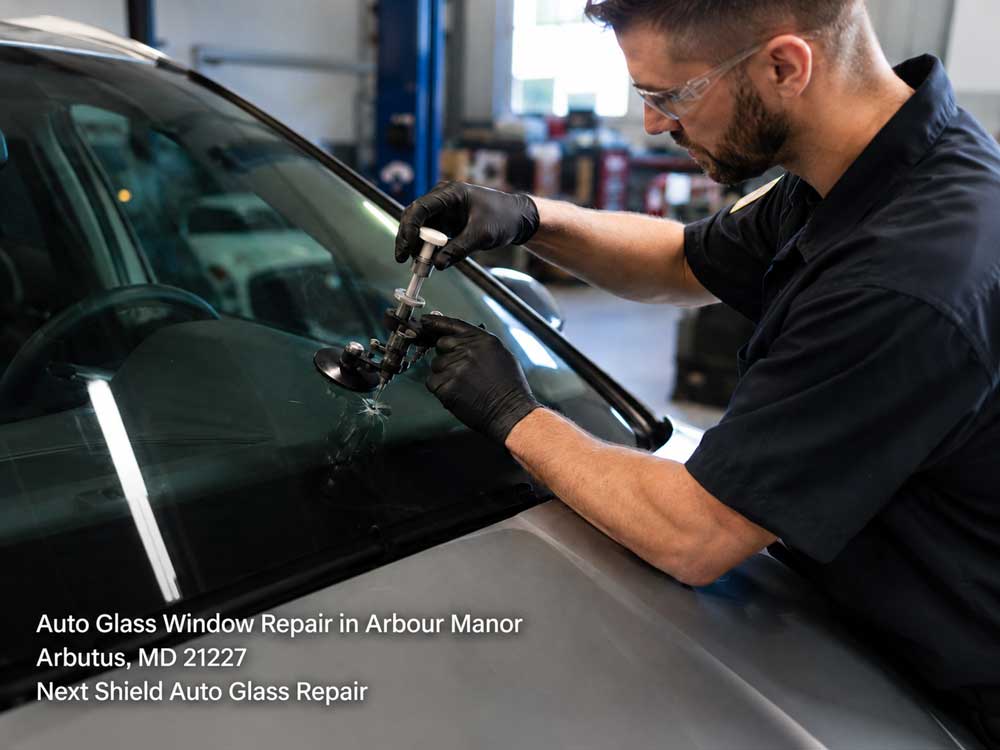
Sometimes, cleaning your auto glass isn’t enough. If you notice chips or scratches, it’s time to call a professional. The auto glass experts at Next Shield Auto Glass Repair can assess the damage and offer solutions for repairs or replacements.
Signs of Damage
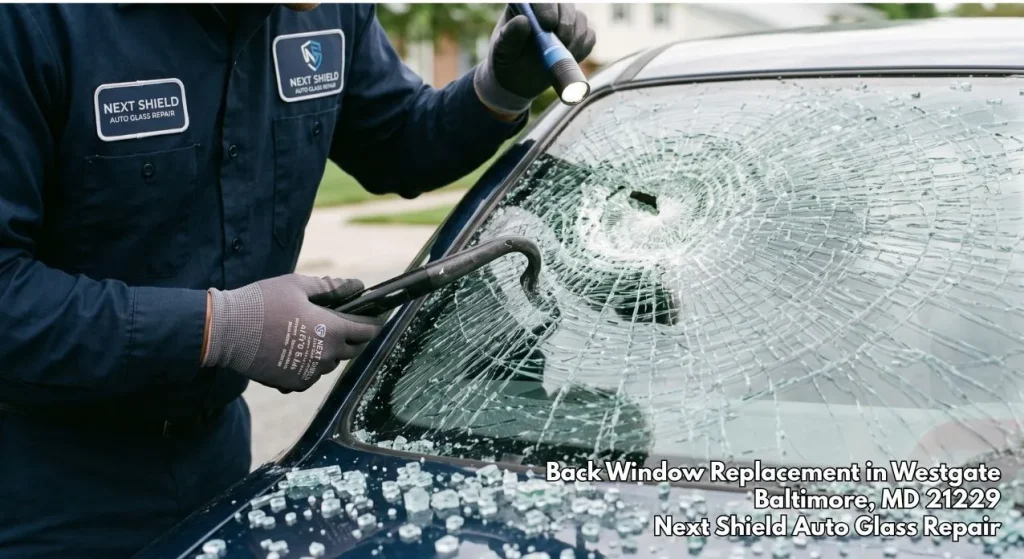
If you see chips or cracks in your auto glass that are too large to ignore, it’s essential to seek professional help. Auto glass can be repaired or replaced to ensure your vehicle’s safety. Driving with cracked or chipped glass can reduce your visibility, making it a dangerous situation for you and others on the road.
Next Shield Auto Glass Repair Serving the Callaway-Garrison Community and Beyond in Baltimore
Next Shield Auto Glass Repair is dedicated to serving the diverse needs of the local community of Baltimore, including individuals residing in neighborhoods like Callaway-Garrison. With its convenient location near landmarks such as the Central Forest Park and major intersections like Yosemite Ave. and Callaway Ave. (coordinates: 39.33191568589492, -76.6765515557414), we offer Auto Glass Fix Baltimore services.
Get Auto Glass Fix Baltimore Services at Callaway-Garrison Now
Navigate from Callaway-Garrison to Next Shield Auto Glass Repair Now
Achieve Streak-Free Auto Glass: Expert Tips and Services from Next Shield Auto Glass Repair
Cleaning your auto glass doesn’t have to be a hassle. With the right tools and techniques, you can achieve a streak-free finish every time. Whether you’re cleaning your windshield or side windows, a little bit of care and effort goes a long way in maintaining your car’s appearance and visibility.
At Next Shield Auto Glass Repair, we’re dedicated to keeping your vehicle in top condition. If you need expert assistance or a professional clean, don’t hesitate to give us a call. Our team of specialists can handle any of your auto glass needs, from repairs to full replacements.
Frequently Asked Questions (FAQs)
- What are the best cleaning products for streak-free auto glass? The best cleaning products for streak-free auto glass include a high-quality glass cleaner, microfiber cloths, and specialized automotive glass cleaners. Make sure to choose a cleaner that is ammonia-free and safe for tinted windows.
- How can I avoid streaks when cleaning my windshield? To avoid streaks, use a microfiber cloth to wipe in circular motions and follow up with a clean, dry cloth to buff the surface. Always ensure you’re cleaning the glass on a cool, dry surface to prevent the cleaner from evaporating too quickly.
- Can I clean my car’s windows with vinegar? Yes, vinegar is an effective and natural solution for cleaning auto glass. Mix a solution of equal parts vinegar and water in a spray bottle, then use a microfiber cloth to wipe the glass clean. Just be cautious when using vinegar on tinted windows, as it can sometimes affect the tint.
- Why do streaks appear on my auto glass after cleaning? Streaks on auto glass are often caused by using too much cleaner, not wiping with a clean cloth, or cleaning the glass in direct sunlight. It’s essential to use minimal product and wipe thoroughly with a microfiber cloth to ensure a clear, streak-free finish.
- How often should I clean my auto glass to keep it streak-free? It’s a good idea to clean your auto glass every couple of weeks or whenever you notice dirt or debris accumulating. Regular cleaning helps maintain visibility and ensures a streak-free finish.
What should I avoid when cleaning my auto glass? Avoid using paper towels or rough cloths that may leave lint behind, and steer clear of cleaning products with ammonia, as these can damage your glass or tint. Also, don’t clean your windows while they are still warm from the sun, as this can lead to streaking.

RESTORE YOUR
WINDSHIELD TODAY!
OR CALL US
(443) 296-0064
4 Things Your Auto Glass Company Should Do Before Touching Your Car
Your vehicle deserves care before any repair begins. A trusted auto glass company should never rush into replacing or fixing your windshield without preparation. The first steps a technician takes can affect your safety, repair quality, and the condition of your vehicle. A professional service team should inspect damage, protect your car, use the right…Can Mobile Windshield Repair Be Done in a Parking Garage? Academy Heights
A damaged windshield can crack anytime, and many drivers don’t have time to visit a repair shop. Mobile windshield repair gives vehicle owners a simple solution by bringing professional repair services directly to their location. Many people ask if this service can be completed inside a parking garage, and the answer is yes. With proper…The Glass Car Repair Trick Most Shops Won’t Mention
Many drivers think a cracked windshield always means a full replacement. However, there is a repair method that many vehicle owners do not know about. A professional glass car repair service can sometimes restore damaged auto glass before the problem becomes worse. This approach can help reduce costs, prevent further damage, and keep drivers safe…
Restore Your
Windshield Today!
For dependable and expert auto glass repair services in Baltimore, look no further than the trusted professionals at Next Shield Auto Glass Repair. Reach out to us today to schedule an appointment or request a complimentary quote. Discover our unwavering commitment to unmatched quality, exceptional customer service, and our fervor for providing top-notch auto glass repair solutions. Rest assured, we are here to restore the safety, functionality, and aesthetics of your vehicle, ensuring your utmost satisfaction.