
How to Fix a Cracked Glass Without Replacing It
September 10, 2025
Cracked glass is one of those frustrating household or automotive problems that often appears when you least expect it. A dropped drinking glass, a stone hitting your windshield, or a temperature shock on a window can leave behind a crack that’s both unsightly and concerning.
The immediate thought most people have is replacement. After all, broken glass feels like it can’t be repaired. However, replacing glass can be expensive, especially when dealing with large windows, car windshields, or custom glass furniture. Fortunately, in certain cases, you can fix a cracked glass without replacing it.
This guide explores the different repair methods, safety considerations, and practical advice for deciding whether to fix or replace. Whether you’re dealing with a cracked windshield, window, or glass tabletop, the information below will help you choose the right path.
Can You Really Fix a Cracked Glass Without Replacing It?
The ability to repair cracked glass depends on three main factors: size, depth, and location.
- Size of the crack: Hairline or short cracks (less than 6 inches) are often manageable with DIY solutions. Longer cracks are much harder to stabilize.
- Depth of the crack: If the crack only affects the surface layer, you’re in luck. Deep cracks that go through multiple layers are much more serious.
- Location of the crack: A crack near the edge of glass tends to spread quickly because of stress concentration. Cracks in the center are easier to repair since they face less tension.
It’s important to remember that fixing cracked glass isn’t about making it perfect again. Instead, it’s about preventing further damage, improving safety, and restoring partial appearance.
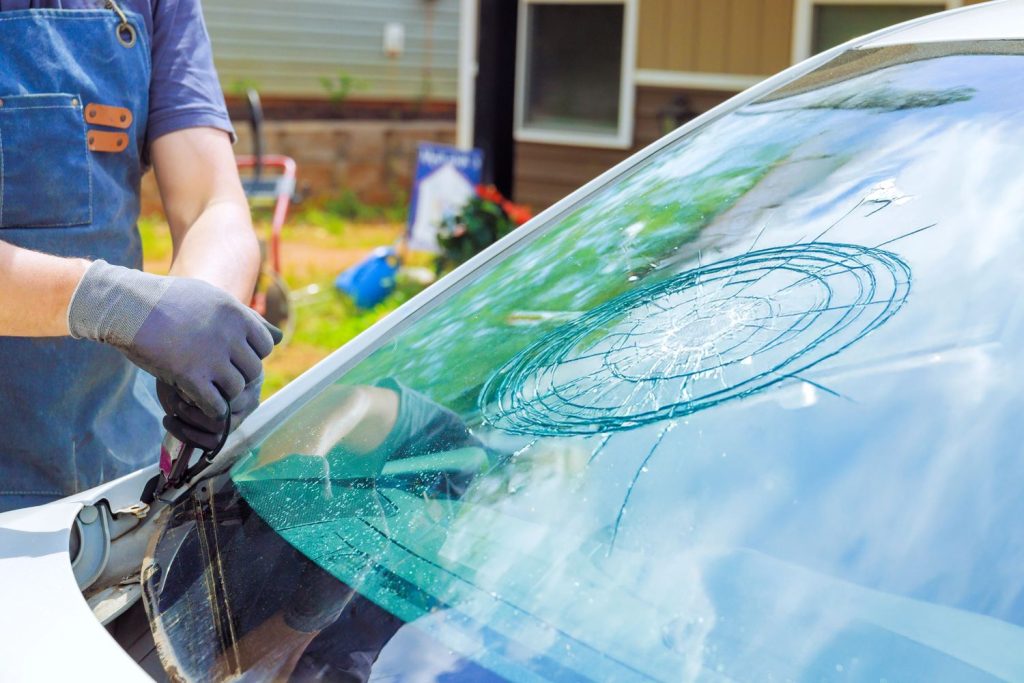
Common DIY Methods for Fixing Cracked Glass
Let’s look at some practical ways people handle cracked glass at home. While these methods aren’t permanent solutions, they can buy you time and money before considering full replacement.
1. Clear Nail Polish
Clear nail polish is a surprisingly effective household trick for small cracks or chips.
- How it works: The liquid polish flows into the tiny gap, fills it, and hardens. Once dry, it holds the crack together and reduces its visibility.
- Steps:
- Clean the glass thoroughly to remove dust or grease.
- Brush clear nail polish directly onto the crack.
- Let it dry for at least an hour.
- Scrape away excess polish with a razor blade for a smooth finish.
- Clean the glass thoroughly to remove dust or grease.
- Best use cases: Works on bathroom mirrors, small window cracks, and decorative glass items.
- Limitations: It won’t restore strength in structural glass and is not durable outdoors where weather exposure weakens the bond.
This method is simple, cheap, and quick—perfect for cosmetic fixes on non-critical glass.
2. Epoxy Resin
Epoxy is a stronger adhesive compared to nail polish and can provide a more durable fix.
- How it works: Epoxy comes in two parts (resin and hardener). When mixed, it forms a strong bond that seals cracks and adds stability.
- Steps:
- Mix epoxy according to product instructions.
- Apply it into the crack with a toothpick or syringe.
- Smooth the surface and wipe off excess.
- Allow 24 hours for full curing.
- Mix epoxy according to product instructions.
- Best use cases: Ideal for repairing cracks in tabletops, cabinet glass, and decorative pieces.
- Limitations: Requires patience and skill—bubbles or uneven surfaces can reduce clarity.
For larger household items, epoxy resin provides a longer-lasting solution than nail polish, but it takes more effort.
3. Glass Repair Kits
For those who want a more professional DIY fix, glass repair kits are widely available at auto parts stores and online.
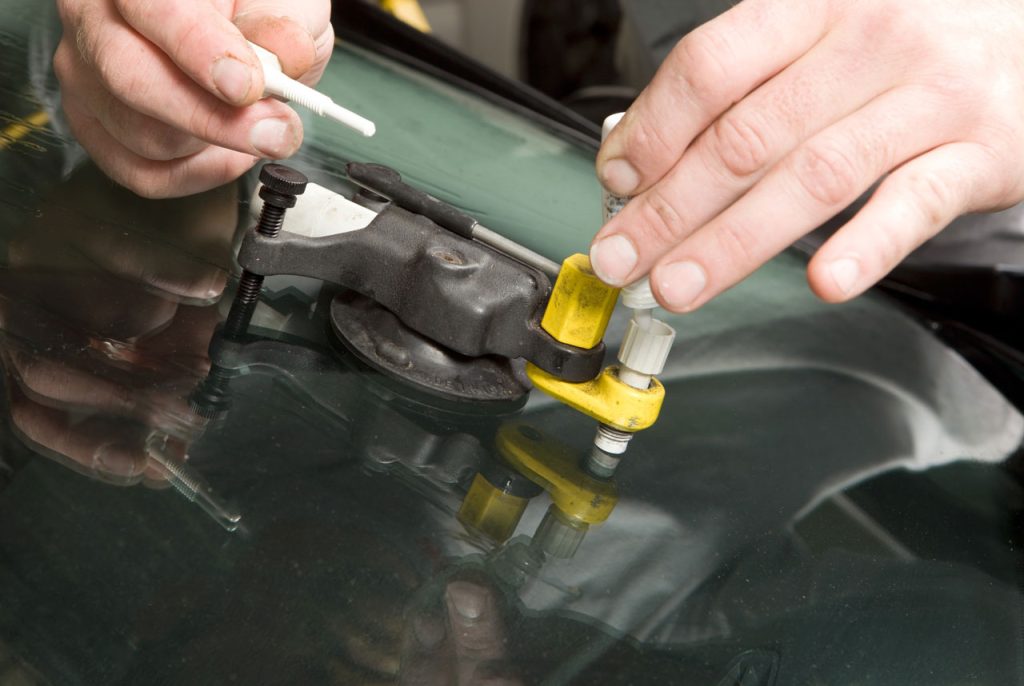
- How they work: These kits use a syringe system to inject resin into the crack. Once filled, the resin is cured using UV light or natural sunlight.
- Steps (simplified):
- Clean and dry the cracked area.
- Mount the applicator over the crack.
- Inject resin using the syringe system.
- Remove air bubbles carefully.
- Cure the resin with sunlight or UV light.
- Scrape off excess for a smooth finish.
- Clean and dry the cracked area.
- Best use cases: Windshield chips, star cracks, bullseye cracks, and small household glass cracks.
- Advantages: Designed specifically for glass, so the results are clearer and more professional-looking.
- Limitations: Effectiveness depends on proper application—incorrect use can trap air bubbles and reduce clarity.
Glass repair kits cost more than simple adhesives, but they’re a solid option for anyone who wants a cleaner result.
4. Glass Adhesives and Super Glue
Glass adhesives and super glues are another option for quick fixes.
- How they work: They penetrate small cracks and dry clear, holding the glass together.
- Best use cases: Picture frames, small decorative glass pieces, and household items.
- Limitations: These adhesives can yellow over time and are less durable under sunlight or temperature stress.
While not as effective as epoxy or kits, adhesives are handy for low-stress glass items that don’t need long-term durability.
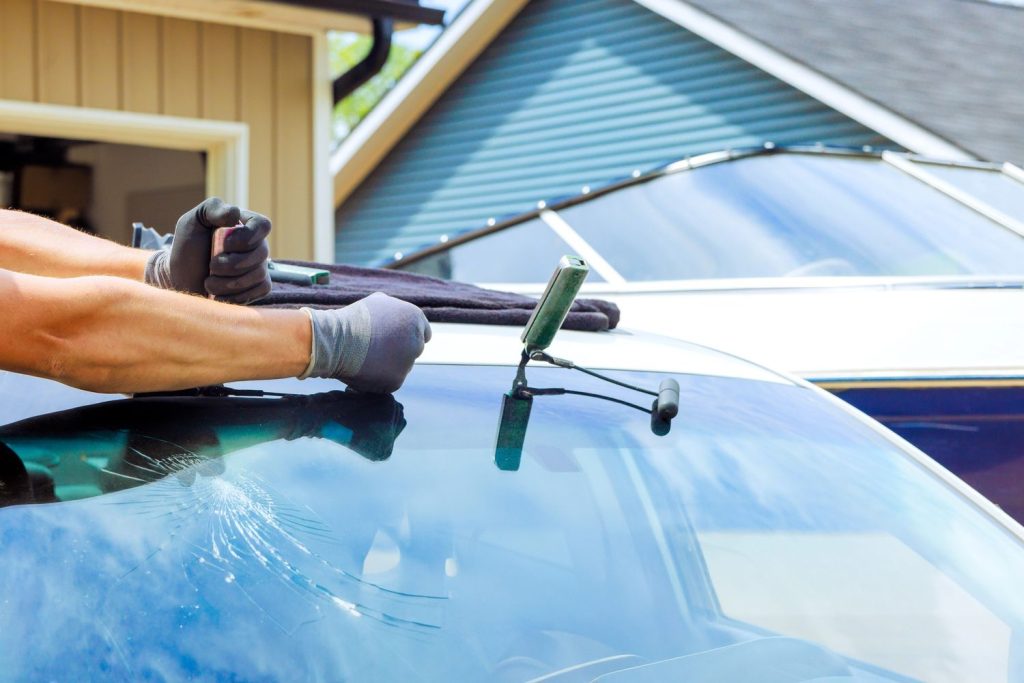
Safety Considerations Before Repair
Before grabbing nail polish or epoxy, think about safety. Glass cracks aren’t just cosmetic—they can pose risks.
- Sharp edges: Cracks can splinter, leading to cuts. Always wear gloves and protective glasses.
- Weight-bearing glass: A repaired crack won’t restore original strength. Tabletops or shelving may still shatter under stress.
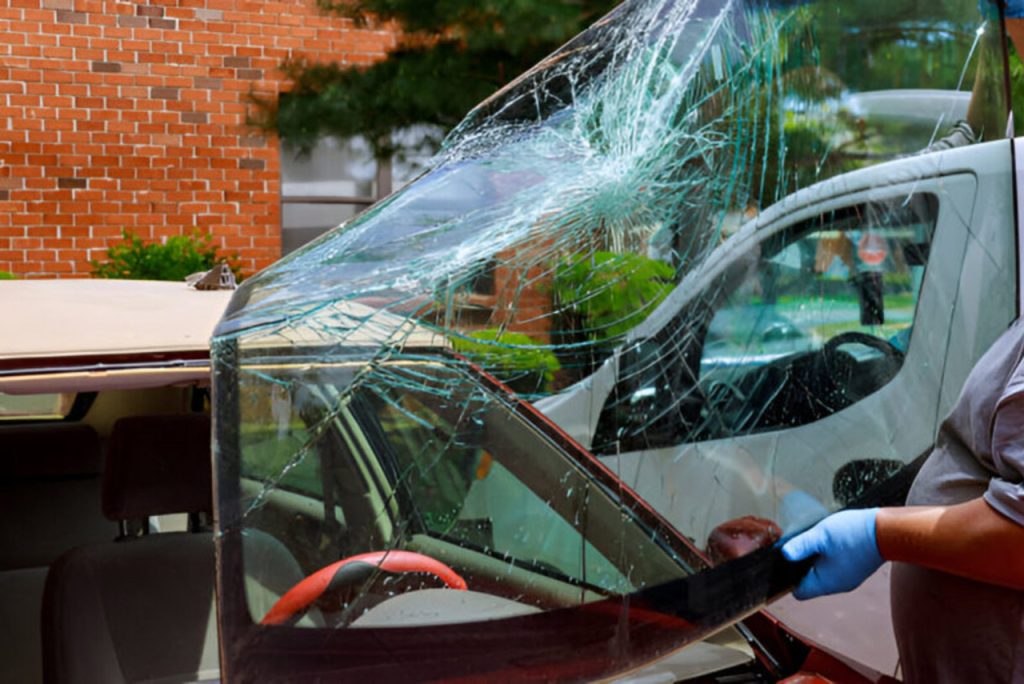
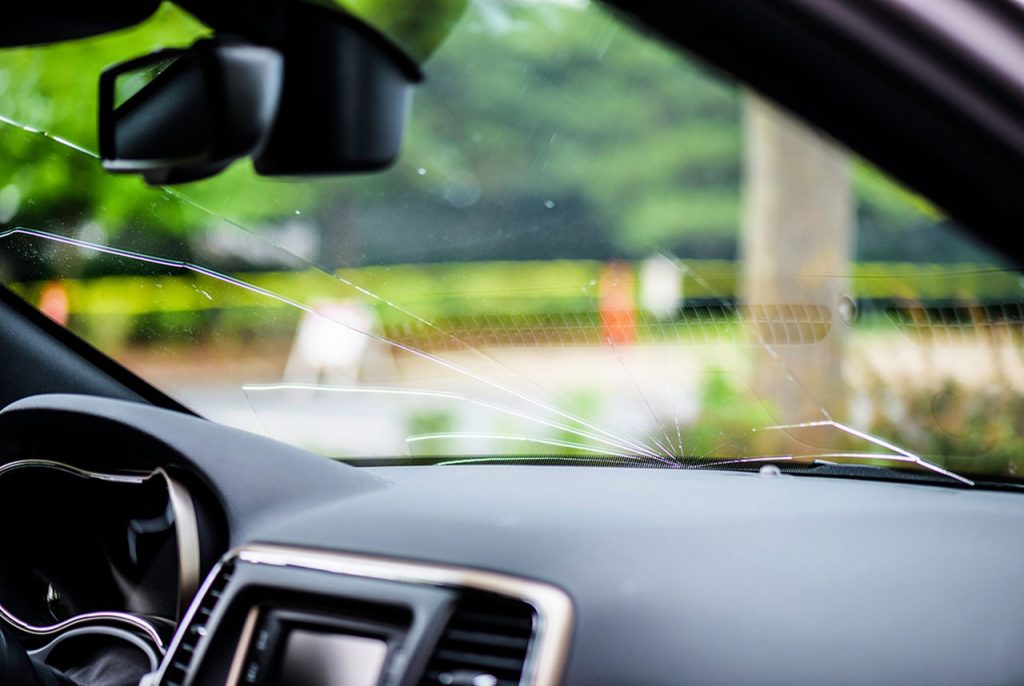
- Automotive glass: A cracked windshield is more than an inconvenience—it affects driving safety and vehicle structure during accidents.
If glass is under pressure, replacing it is usually the safer choice. Repairs are best for cosmetic or minor cracks.
When Repair Makes Sense vs. When Replacement Is Better
It’s not always easy to decide whether to repair or replace cracked glass. Here’s how to weigh the options:
Repair Makes Sense If:
- The crack is shorter than 6 inches.
- It’s not directly in your line of sight (for windshields).
- The glass isn’t structural or load-bearing.
- You just need a temporary fix before replacement.
Replacement Is Better If:
- The crack is spreading quickly.
- It compromises strength (like a windshield or tabletop).
- It’s in a location that could cause injury if the glass breaks.
- The crack is in an expensive or high-use item where long-term safety matters.
Sometimes, repairs are only a temporary measure. For example, windshield kits can slow a crack, but full replacement might still be needed later.
Step-by-Step Guide: Repairing a Small Crack with a Kit
If you decide to use a glass repair kit, here’s a detailed walkthrough:
- Clean the glass with rubbing alcohol and a microfiber cloth. Any dirt will weaken the repair.
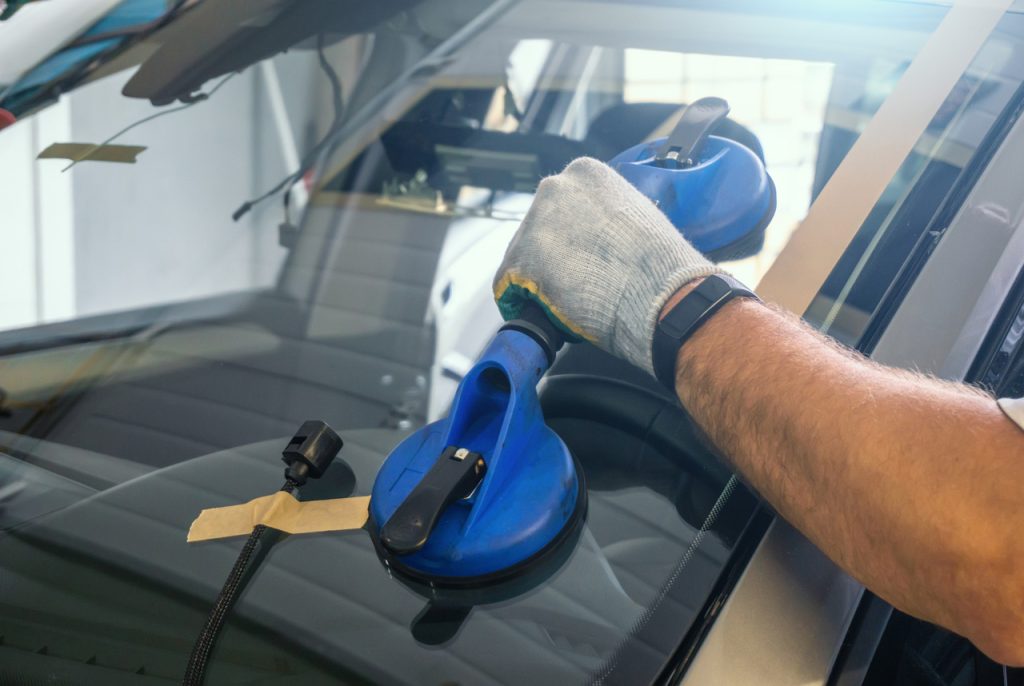
- Position the suction mount from the kit directly over the crack.
- Inject resin into the crack slowly using the syringe.
- Pressurize the resin by pushing and pulling the plunger (as directed in the kit). This helps the resin spread.
- Remove air bubbles—tilt the glass if necessary to allow bubbles to rise.
- Cure with UV light or sunlight for 15–30 minutes.
- Scrape off extra resin with a razor blade for a smooth surface.
This method works best for windshield chips, bullseyes, or short cracks. The result won’t be invisible, but it prevents spreading.
Professional Repair vs. DIY
There’s always the question: is it worth doing it yourself, or should you call in a professional?
- DIY repair:
- Lower cost ($10–$30 for a kit).
- Works for temporary or cosmetic fixes.
- Convenient if you’re comfortable with hands-on work.
- Lower cost ($10–$30 for a kit).
- Professional repair:
- Uses stronger resins and vacuum systems that penetrate deeper.
- Results in better clarity and durability.
- Often comes with a warranty.
- Essential for safety glass (especially windshields).
- Uses stronger resins and vacuum systems that penetrate deeper.
For decorative items or minor household cracks, DIY is fine. But for car windshields and structural glass, professional help is the safer investment.
Preventing Glass Cracks in the Future
Once repaired, the next step is prevention.
- Avoid sudden temperature changes: Don’t pour boiling water on cold glass or place hot dishes on glass tables.
- Install protective films: Safety films for windows and car glass help reduce cracking.
- Handle carefully: Always lift glass furniture properly and avoid knocking heavy items into it.
- Fix chips early: A tiny chip today can turn into a crack tomorrow. Address damage while it’s still small.
Proactive care can extend the life of your glass and reduce repair or replacement costs.
Auto Glass Fix in Rognel Heights – Choose Next Shield Auto Glass Repair!
When it comes to auto glass fix in Rognel Heights, drivers trust Next Shield Auto Glass Repair for fast, affordable, and reliable service. Cracks and chips in your windshield or windows don’t just affect appearance—they impact safety. That’s why our team is here to help.
Local & Convenient: Located near Christ Deliverance Church, close to Woodridge Rd. & Wicklow Rd. in Rognel Heights.
Expert Repairs: We handle everything from small chips to longer cracks with professional precision.
Save Money: We prioritize safe repairs whenever possible, helping you avoid costly replacements.
Trusted in Baltimore: As a local business, we’re proud to serve our Rognel Heights community with quality service and care.
Choose Next Shield Auto Glass Repair in Rognel Heights for dependable service that keeps you safe on the road.
Next Shield Auto Glass Repair Serving the Rognel Heights Community and Beyond in Baltimore
Next Shield Auto Glass Repair is dedicated to serving the diverse needs of the local community of Baltimore, including individuals residing in neighborhoods like Rognel Heights. With its convenient location near landmarks such as the Christ Deliverance Church and major intersections like Wicklow Rd. & Woodridge Rd. (coordinates: 39.2959434, -76.6881784), we offer Auto glass fix Baltimore services.
Get Auto Glass Fix at Rognel Heights Now
Navigate from Rognel Heights to Next Shield Auto Glass Repair Now
Final Thoughts
Fixing a cracked glass without replacing it is possible, but expectations matter. Most DIY fixes are temporary solutions designed to stop cracks from spreading and improve appearance. They won’t make the glass as strong as new.
For small, non-critical cracks, household methods like nail polish, epoxy, or adhesives are cheap and effective. For windshields and larger items, repair kits or professional services are better options.
Ultimately, whether you repair or replace depends on the type of glass, the severity of the crack, and how the glass is used. By weighing safety, cost, and practicality, you can make the right choice for your situation.
FAQa
1. Can you really repair cracked glass at home?
Yes, small cracks in glass can often be stabilized at home using DIY methods like clear nail polish, epoxy resin, or glass repair kits. These repairs work best for short, surface-level cracks. However, they’re usually temporary fixes and don’t restore full strength to the glass.
2. What is the best method to fix a cracked glass without replacing it?
The best method depends on the type and size of the crack. For small household cracks, clear nail polish or epoxy resin can work. For car windshields or larger cracks, a commercial glass repair kit is more effective. If the crack is deep or spreading, professional repair is usually the safest choice.
3. Is it safe to drive with a repaired cracked windshield?
If the crack is small and repaired properly using a windshield repair kit or by a professional, driving can be safe. However, repaired windshields don’t always regain full strength, and in some areas, driving with a cracked windshield—even if repaired—may not meet legal safety standards. Always check local laws and consider full replacement if the damage is in the driver’s line of sight.
4. How long will a glass crack repair last?
A DIY glass repair may last a few weeks to several months, depending on the crack’s size, location, and exposure to stress or weather. Professional repairs usually last longer because stronger resins are used, but even then, cracks can reappear if the glass is under high stress.
5. When should I replace cracked glass instead of repairing it?
Replacement is the better option if the crack is longer than 6 inches, spreading quickly, located at the edge of the glass, or affecting a load-bearing surface like a tabletop. For windshields, replacement is recommended if the crack obstructs the driver’s view or compromises safety.

RESTORE YOUR
WINDSHIELD TODAY!
OR CALL US
(443) 296-0064
Can Mobile Windshield Replacement Be Done at Home or Work?
Modern life is busy, and for many vehicle owners in Arbutus, finding time to visit an auto glass shop can feel like an unnecessary hassle. Between work commitments, family responsibilities, and daily errands, taking hours out of the day to sit in a waiting room is far from ideal. That’s why mobile windshield replacement has…How Much Damage Can Windshield Repair Fix?
A damaged windshield can be stressful. Whether it’s a tiny chip from road debris or a spreading crack after a sudden temperature change, many drivers are left wondering the same thing: How much damage can windshield repair actually fix? In Catonsville, where daily driving exposes vehicles to changing weather, construction debris, and busy roads, windshield…What’s the Difference Between Auto Glass Repair and Replacement?
When damage appears on your vehicle’s windshield or windows, one of the first questions that comes to mind is whether the glass can be repaired or if it needs to be completely replaced. For many drivers in Catonsville, this decision can feel confusing, especially when safety, cost, and time are all important factors. Understanding the…



Restore Your
Windshield Today!
For dependable and expert auto glass repair services in Baltimore, look no further than the trusted professionals at Next Shield Auto Glass Repair. Reach out to us today to schedule an appointment or request a complimentary quote. Discover our unwavering commitment to unmatched quality, exceptional customer service, and our fervor for providing top-notch auto glass repair solutions. Rest assured, we are here to restore the safety, functionality, and aesthetics of your vehicle, ensuring your utmost satisfaction.